Minimally invasive urology has revolutionized the way urological conditions are diagnosed and treated, offering patients safer procedures, quicker recovery times, and improved outcomes 泌尿科. Over the past few decades, medical advancements have shifted the focus from traditional open surgeries to techniques that reduce physical trauma while maintaining or even enhancing surgical precision. This evolution has not only improved patient experiences but has also redefined the standards of care in urology.
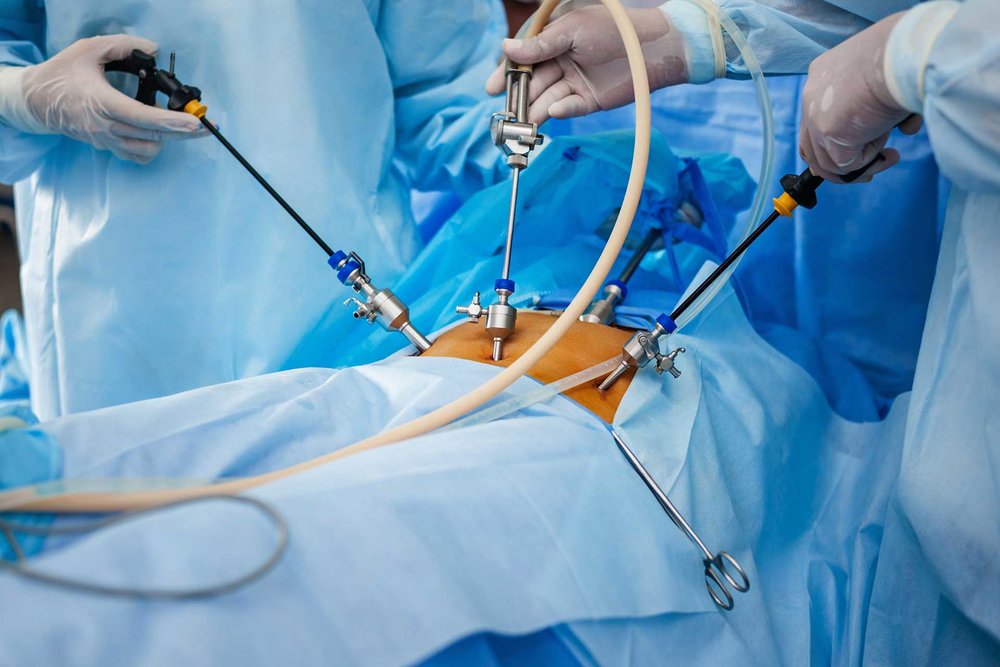
The concept of minimally invasive urology revolves around performing procedures through small incisions or natural body openings, using advanced tools such as endoscopes, laparoscopes, and robotic systems. These technologies allow surgeons to visualize internal structures in high detail, enabling them to perform complex procedures with remarkable accuracy. As a result, patients often experience less pain, reduced blood loss, and shorter hospital stays compared to conventional surgical methods.
One of the most significant advantages of minimally invasive urology is its ability to treat a wide range of conditions effectively. From kidney stones and prostate enlargement to bladder tumors and kidney cancers, these techniques have proven to be highly versatile. For example, procedures like ureteroscopy and laser lithotripsy allow doctors to break down and remove kidney stones without the need for large incisions. Similarly, laparoscopic and robotic-assisted surgeries are commonly used for prostatectomies and nephrectomies, offering patients a less invasive alternative with excellent outcomes.
The integration of robotic technology has further elevated the field of minimally invasive urology. Robotic-assisted systems provide surgeons with enhanced dexterity, precision, and control, allowing for more delicate maneuvers in confined anatomical spaces. This level of precision is particularly beneficial in procedures involving the prostate or kidneys, where preserving surrounding tissues is crucial. Patients undergoing robotic-assisted surgeries often benefit from reduced complications and faster return to normal activities.
Another important aspect of minimally invasive urology is its impact on patient recovery and overall quality of life. Traditional open surgeries often require long recovery periods, with patients experiencing significant discomfort and limitations in daily activities. In contrast, minimally invasive procedures typically result in smaller scars, less postoperative pain, and quicker healing. Many patients are able to resume their normal routines within a matter of days or weeks, which significantly enhances their overall well-being.
The reduced risk of complications is another key benefit of minimally invasive urology. Smaller incisions mean a lower chance of infection, less bleeding, and decreased risk of surgical complications. This is particularly important for elderly patients or those with underlying health conditions, who may not be ideal candidates for extensive surgical procedures. By minimizing the physical stress on the body, these techniques provide a safer option for a broader range of patients.
In addition to clinical benefits, minimally invasive urology also offers economic advantages. Shorter hospital stays and faster recovery times translate into lower healthcare costs for both patients and medical institutions. Patients can return to work sooner, reducing the financial burden associated with prolonged absence. Hospitals can also optimize resource utilization, as minimally invasive procedures often require less postoperative care and shorter inpatient durations.
Training and expertise play a crucial role in the successful implementation of minimally invasive urology. Surgeons must undergo specialized training to master the use of advanced equipment and techniques. Continuous education and hands-on experience are essential to ensure that patients receive the highest standard of care. As technology continues to evolve, ongoing training becomes even more important to keep up with new developments and innovations in the field.
Despite its many advantages, minimally invasive urology is not without challenges. The cost of advanced equipment, such as robotic systems, can be a barrier for some healthcare facilities. Additionally, not all patients are suitable candidates for these procedures, depending on the complexity of their condition or other medical factors. Careful evaluation and personalized treatment planning are essential to determine the most appropriate approach for each patient.
Patient awareness and education are also critical in promoting the benefits of minimally invasive urology. Many individuals may still be unfamiliar with these advanced techniques or may have misconceptions about their effectiveness. Healthcare providers play a vital role in educating patients about available treatment options, helping them make informed decisions about their care. Clear communication and transparency can build trust and ensure that patients feel confident in their treatment choices.
The future of minimally invasive urology looks promising, with ongoing research and technological advancements continuing to expand its capabilities. Innovations such as improved imaging systems, enhanced robotic platforms, and the integration of artificial intelligence are expected to further refine surgical precision and outcomes. These developments will likely make minimally invasive procedures even more accessible and effective, benefiting a larger number of patients worldwide.
Preventive care and early diagnosis also complement the success of minimally invasive urology. Regular check-ups and timely intervention can help identify urological conditions at an early stage, when they are easier to treat using less invasive methods. This proactive approach not only improves treatment outcomes but also reduces the need for more extensive and complex procedures.
In conclusion, minimally invasive urology represents a significant advancement in modern medicine, offering patients safer, more efficient, and less disruptive treatment options. Its ability to combine technological innovation with patient-centered care has transformed the landscape of urological treatment. As the field continues to evolve, it holds the potential to further enhance patient outcomes and redefine the future of surgical care. Through continued research, education, and innovation, minimally invasive urology will remain at the forefront of medical progress, improving lives and setting new standards in healthcare.